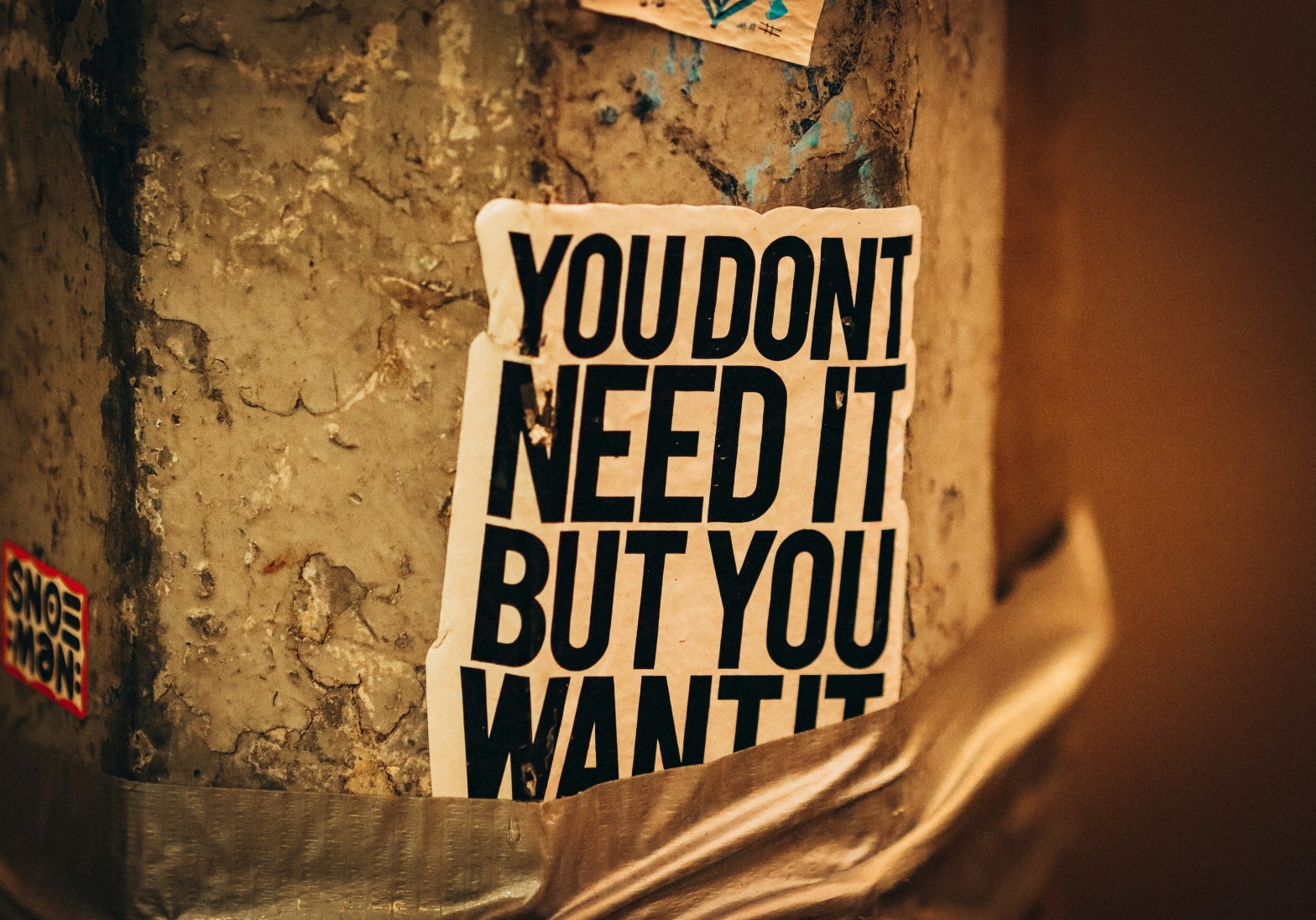
Getting robbed of your personal financials, the opportunities around you, and most importantly your way of thinking is on no ones agenda, yet many of Americans are being robbed in broad day light by consumerism. Selling the idea that your life will feel fulfilled after obtaining a certain item is not only destroying our way of thinking, but also killing off the things that actually bring fulfillment in life.
Although many individuals understand the concept of consumerism, not too many Americans question the idea or truly understand the complexity of the topic. In fact, scholars examine different lenses of consumerism ranging from culture to social class and it is a widely studied subject area around the world, not just in the United States. With so much research and an abundantly clear more negative outlook of consumerism than positive, why does our society continue to feed into the ideologies that are killing us?
Before diving into this idea, we really need to look at the history of consumerism to be able to better understand it, no matter which rabbit hole of the different lenses you decide to trickle down. In a PBS article called, The Rise of Consumerism, they inform the reader that consumerism grew with the decline of World War II and the rise of a growing economy within the United States. Comparing this information with my grandfather’s old rocking chair stories, both sides align with the idea that jobs where abundant and so where the babies.
Circling back to the original question asked earlier, why does our society feed into our downfall? Well, as my old poppy says, “Things were simpler back then.” The history tells us that people had the means to grow not only in a family capacity, but in a materialistic capacity too, which was new to this generation and their original up bringing. Selling the “American Dream” to this cliental was easy because it was true. You could work hard at your job and eventually be able to create a comfortable lifestyle for yourself and your family.
Despite old poppy’s age and limited memory, he never forgets to add his famous disclaimer at the end of his story that I know like the back of my hand. He ends with “but times are not like what they use to be.” What was a simple idea of better living translated to greed somewhere along the way. Thus the old saying goes, “Keeping up with the Joneses.” Although the history of this saying isn’t confirmed, it is common knowledge that it was built off the comparison of one another’s materialistic things.
The greed starts at the top with large companies like Ford helping coin the term consumerism, but it would be ignorant to only point the finger at the top one percent. Despite their heavy hand in marketing and influence within our society today, Americans continue to “buy” into consumerism even with the rising awareness and education around the multifaceted issue.
The Self Store Association, came out with a 2025 Demand Study Report on the amount of American household that utilize self storage units. Although they limited the data to the public, one thing is clear in their report: more and more Americans are investing in storage units for their stuff. Not only are Americans obtaining more things, they are investing in commercialized spaces to be able to hold on to the growing list of merchandize they already have.
Although it is easy to understand how consumerism was born, it is extremely difficult to accept where we are now with it. The only explanation is Systemic Consumption Bias. What was conditioned to grandparents was eventually observed from parents and ultimately taught to the younger generations. Not to mention the huge encouragement from capitalism.
This brings me to my point of how Americans are getting robbed by Uncle Sam. Between consistently being advertised too to the systemic bias that has been built for generations, Americans are getting robbed of more than just dollars. Consumerism robs you by taking advantage of your weakness, like wanting to be accepted by your peers or just the simple idea of having nice things. More importantly, Americans are getting robbed of a lifestyle and the ability to change for the better.
When consumerism was expanding, there was only so many things you could purchase. Now, you can almost buy anything. With so much to purchase and only so much money coming in, the American dollar is spread thin. Yet, Americans continue to maintain a lifestyle that is killing both themselves and the planet. Being content with what you have is something everyone struggles with, but it is the only way to break out of the consumeristic cycle.
Finding contentment starts with reflection. Not just reflection in your spending habits, but in your mindset when it comes to what makes you truly happy. If spending money on materialistic things is your happiness, I encourage you to look deeper. Some questions that can help you think differently can be found below:
- What are your hobbies?
- Do you have a supportive community that can help you with this challenge?
- What can you take away from your life and still feel content?
- When was the last time you were content?
- Why is contentment important?
These are just a few questions to get you started on the reflection process, but feel free to continue to ask yourself harder and more complex questions. Challenge the idea of consumerism constantly and do your research on a product before fully committing to that item.
Changing generational habits is no easy matter and should not be taken lightly. Finding a community who can push you in the right direction is really going to take this obstacle from difficult to do-able. Understanding that you will fail is all apart of the process, but giving up should never be consider because consumerism is everywhere you go. Learning how to take it head on rather than run to it will ultimately push all of America into the direction that it needs to go.
It is time for Americans to stop being robbed of their lifestyle and their mindset to start understanding the complexity of the issue that is upon us. Do you really want your children to find their happiness in materialistic things or live check to check just as an attempt to maintain a certain communities approval? Thinking that just one person won’t make a difference, makes all the difference when you include your entire life and the lives of the next generation.
Will you pass on the bad habit or will you rise above? Change starts with you.
Photo by Jon Tyson on Unsplash
Ferrer-Fons, M., & Fraile, M. (2013). Political consumerism and the decline of class politics in Western Europe. International Journal of Comparative Sociology, 54(5-6), 467-489.
Meinhold, R. (2002). Popular Culture and Consumerism. Religion, Politics and Globalization. Implications for Thailand and Asia. Konrad Adenauer Stiftung. Bangkok, 51, 65.
Ontong, K. (2018). Addressing the negative impact of consumerism on young people by (re) awakening their spirituality through sense of place. South African Journal of Higher Education, 32(4), 199-214.
Trentmann, F. (2004). Beyond consumerism: new historical perspectives on consumption. Journal of contemporary history, 39(3), 373-401.
 BlackSheep.blog