Personal hygiene is something that impacts everyone. Although the hygienic scale can vary depending on environmental conditions, medical history, and genetic make up, we all have to maintain it daily. Since up keeping cleanliness is a part of our daily routine, it places a much larger role than just keeping ourselves clean. In an economic impact report by the American Cleaning Institute done in 2026, they estimate that the direct economic output generated by cleaning product companies was 88.5 billion dollars in 2025.
Projections for the hygiene market are looking to increase within the United States significantly over the next ten years, which makes sense when comparing a survey that was completed by the American Cleaning Institute that highlights America’s well being based on overall cleanliness. Either way, there is no denying that we are a messy species and it takes a large amount of money and will power to clean ourselves up. With dwindling resources, we really need to be more conscious about how we go about simple daily task because ultimately those little choices do add up.
To put it in better perspective, the life expectancy within the United States is 79 years old according to the Health System Tracker. Even after 50 years, an individual has to spend mass amounts of time and money to maintain personal hygiene. Fifty to eighty years of showers, washing your hands, and brushing your teeth. Not to mention all the other things that come with personal hygiene like washing your belongings. Maintaining your cleanliness means backing it up with the supplies to get the job done. A large majority, if not all, of these cleaning products are housed in a plastic bottle to be sold to consumers.
Large amounts of plastic bottles are being mass produced to be quickly disregard after a single use to appeal to a more hygienic state. The patterned behavior of purchasing plastic paired with persuasive marketing in society is snowballing into the expansions of production which lacks consideration for basic necessities like quality product and ethical business practices. Attempting to educate myself deeper on the matter, I was led to Arabella Ruiz’s blog post on the Round Up, called “Is Dawn Dish Soap Bad for the Environment?”
With further reading of the blog and many more like it on other “trusted” brands, American’s are becoming more aware of the concept of greenwashing and the decline of quality products billion dollar corporations have been marketing to the public. These once “trusted” brands that we all have been purchasing from over the last decade have changed their formulas, their packing, and the ethical standards of sustainable production. No one has presented and delivered this messaging better than Kent Brantlenite when he posted his comparison of a Burt’s Bee’s lip balm from 2022 to 2026 on instagram.
Although being aware about it is the first step, it is nowhere close to the solution needed to overcome companies that have unlimited resources. However, the solution is much closer than you think. Gaining more recognition on the issues never hurts when it comes to the general public, which can be done through word of mouth or online.
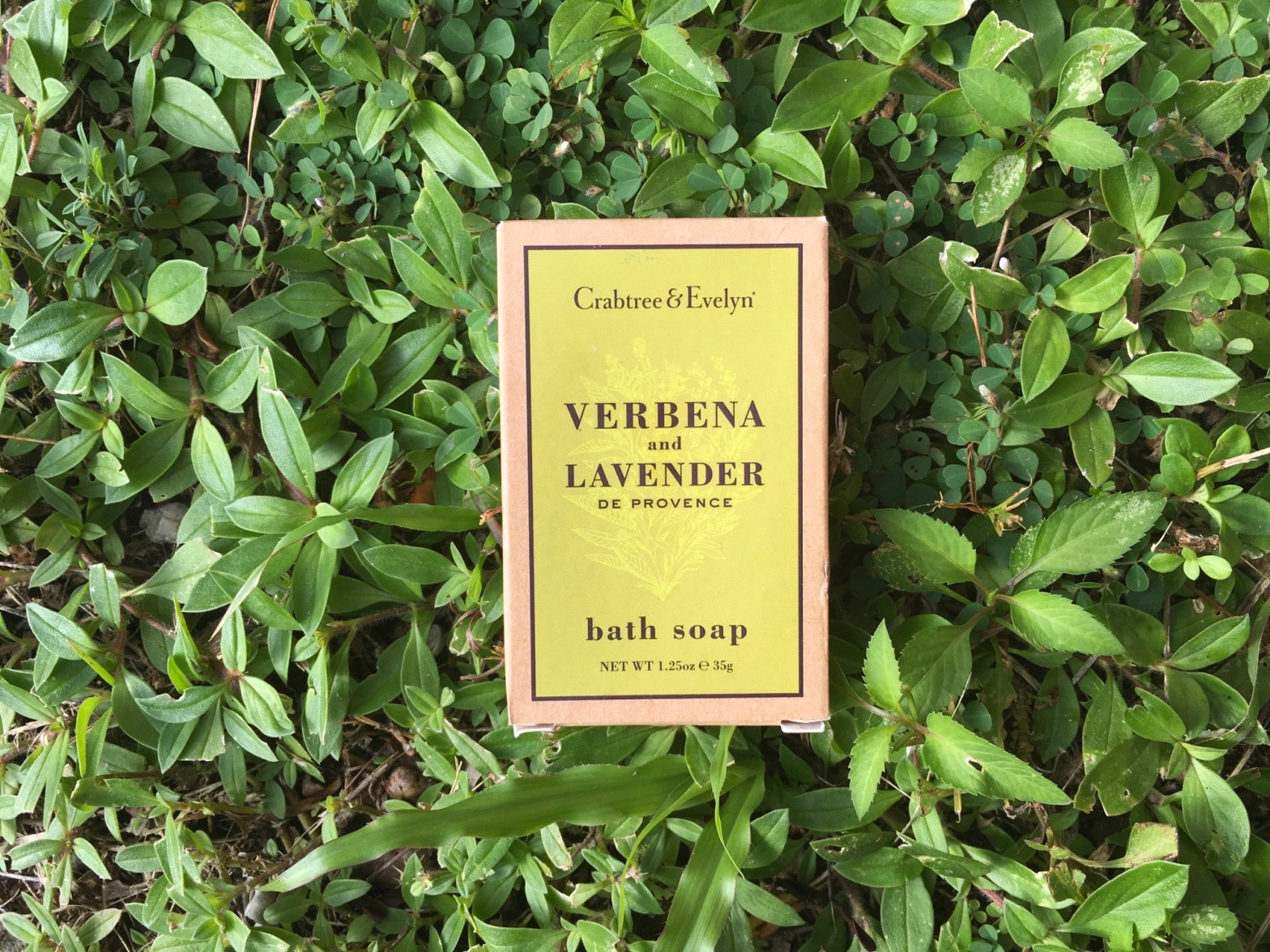
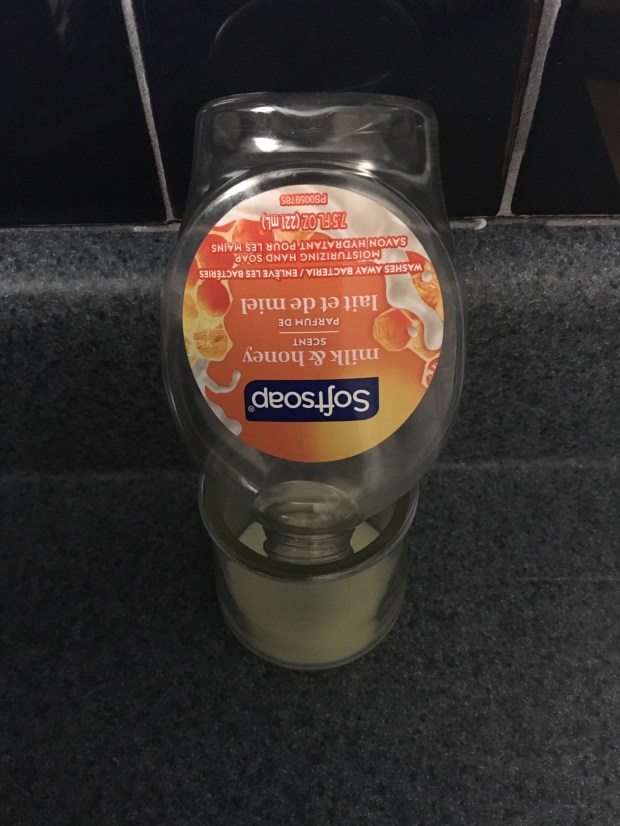
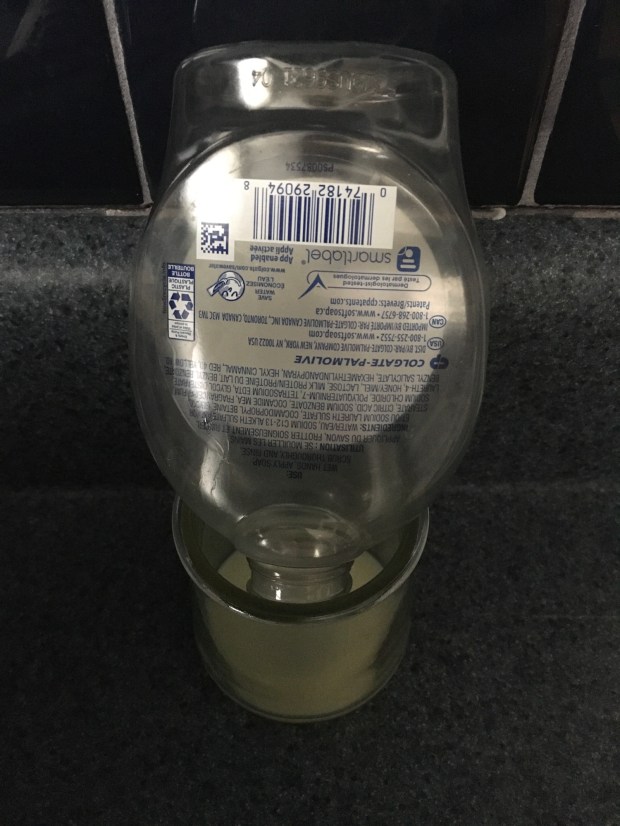
In my transition to switching soaps, I found that my bar soap would out last any bottled soap that I had ever used in the past. Throughout further research, I quickly discovered this was due to liquid soaps being made up of mostly water. Although I understand the appeal of being able to pump out a creamy, cleaning product, all of those “luxuries” are quickly shattered when you get the end of the bottle and you can’t even pump out the what little product is left. As a consumer, it doesn’t make sense to me to pay for a product that ultimately leaves me more frustrated than when I began this whole process and having to pull this set up just to be less wasteful:
Lastly, bar soap is significantly more affordable on any shelf compared to the almost doubled in price for any liquid soap. Being that bottled liquid soap is mainly water, it has been becoming more abundantly clear that American’s are paying more money for less product when they purchase liquid soap over a bar version. Not to mention the incredible environmental benefits to purchasing bar soap. In the Earthling Co’s blog post, “Is Bar Soap Better for the Environment?“, they cover in great detail how much more environmentally important it is to utilize bar soap over bottled, liquid soap.
If none of these reasonings do not sway you to switch limiting your plastic consumption, I highly recommend reading the peer reviewed article, “Potential Health Risk of Microplastic Exposures from Skin-Cleansing Products.” Within the ten liquid soap samples they had collected, their team had identified 61,000 different microplastics within these products. To put it in perspective that is about the entire population of Fairfax, Virginia.
Everyone is subject to their routines, but one alternative that everyone can switch to starting today is eliminating the use of soap that comes in a plastic bottle and replacing it with alternatives that help fight the consumeristic nature America has fed us. Of course not every product is going to have a sustainable replacement, but surely there is a single soap product moving forward that you could purchase more sustainability to better your life financially, physically, and environmentally.
For more alternatives to swap out bathroom cleaning products, I recommend reading The Earthlings Co blog post titled, “7 Smart Single Use Plastic Alternatives.” Changing the way large companies utilizes natural resources begins with how an individual can change their view and actions to coincide with protecting and educating the limited resources that are shared among the globe. Utilizing your consumer voice by limiting the number of purchases of single use plastic makes a larger impact than you think and can better help steer large companies back on track.
Bucur Popa RM, Radulescu C, Dulama ID, Stirbescu RM, Bucurica IA, Banica AL, Stanescu SG. Potential Health Risk of Microplastic Exposures from Skin-Cleansing Products. Toxics. 2025 Apr 29;13(5):354. doi: 10.3390/toxics13050354. PMID: 40423433; PMCID: PMC12116115.

